Maria Algerin
Senior Lecturer in Biomedicine

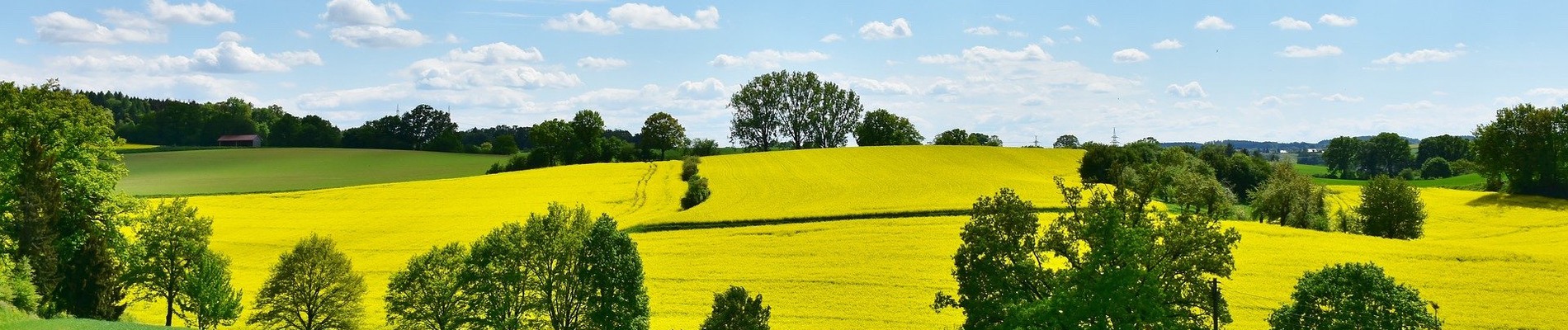
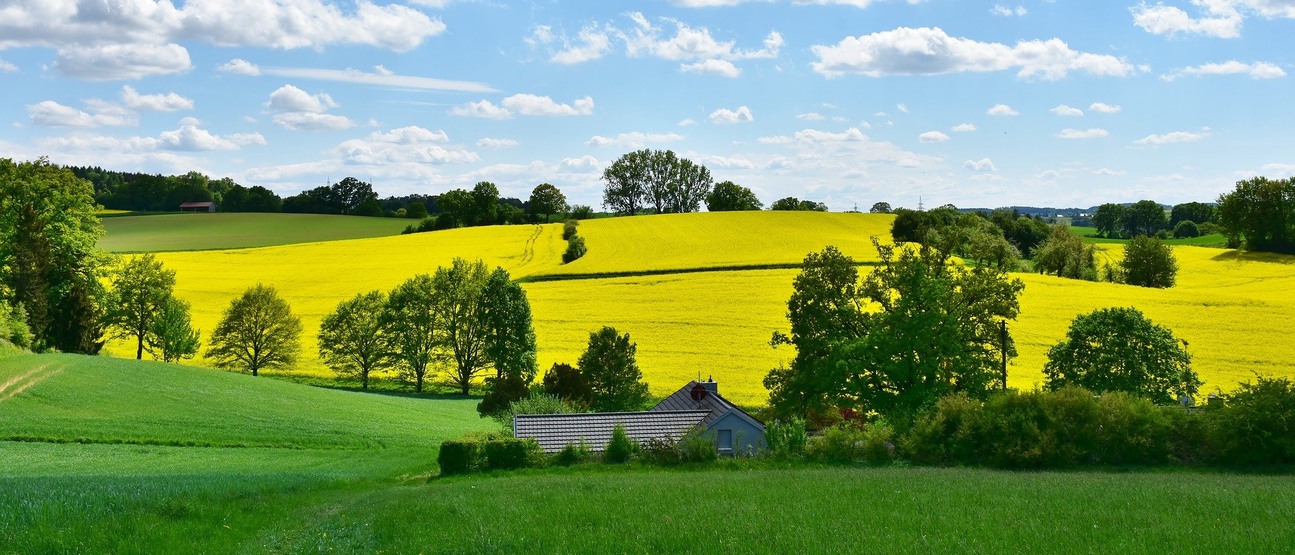
The project is developing a tool to help farmers determine when stem rot is at risk of attacking winter oilseed rape. By measuring fungal spores and monitoring weather and field conditions, the project can detect risks at an early stage and provide clear decision support for treatment.
"This project can help reduce the use of fungicides, lowering environmental impact and the risk of residues in food, while also supporting a sustainable and economically viable food production."
Maria Algerin, Senior Lecturer in Biomedicine
Oilseed rape is a valuable crop used for food, animal feed, and industrial purposes. The cultivation of winter oilseed rape in Sweden has increased over the past fifteen years in line with improved profitability. At the same time, plant diseases pose a significant risk of yield losses.
One of the most serious diseases is Sclerotinia stem rot, caused by the fungus Sclerotinia sclerotiorum. To reduce the risk of infection, the crop is often treated with fungicides.
However, in some years disease pressure is low, making treatment unnecessary – resulting in increased costs for the grower and negative environmental impacts.
The aim of the project is to develop an accurate decision support system that helps farmers determine when preventive treatment is both necessary and economically justified.
The project combines modern DNA technology with field trials and climate data. Air samples are collected using a spore trap in winter oilseed rape fields and DNA is extracted and analyzed to asses the amount of fungal spores in the air. At the same time, leaf samples are collected from fields in Halland, Västra Götaland, and central Sweden.
Using qPCR, the presence and quantity of fungal DNA can be detected already at early flowering – before visible symptoms appear.
Soil moisture, soil temperature, rainfall, and relative humidity are also recorded in the fields, and actual disease levels are assessed before harvest. By linking spore presence, weather conditions, cropping history, and observed disease incidence, clear and reliable risk indicators can be identified.
These indicators are combined with economic factors such as crop price, treatment costs, and expected yield loss to calculate the economic threshold for control.
The result will be a practical decision support tool that enables Swedish winter oilseed rape growers to make well-informed, field-specific decisions – increasing profitability while reducing unnecessary fungicide use.