Carin Rösiö
Jönköping University

REFUSE 2.0 aims to help the Swedish automotive industry use its machining systems longer and more intelligently. Through digital and model-based methods, equipment can be more easily adapted, reused and contribute to more sustainable production.
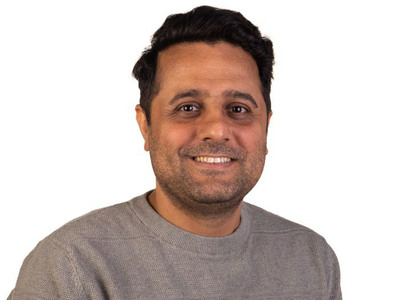
"We want to contribute to a competitive and sustainable automotive industry by making machining systems more resource-efficient, flexible and circular. The project is about helping companies extend the lifetime of their production systems, reuse equipment and reduce their environmental footprint."
Pedram Beldar, PhD Student Informatics
REFUSE 2.0 is about making machining systems in the Swedish automotive industry more resource-efficient and extending their lifespan through smarter technical solutions. The project builds on REFUSE 1.0 and focuses on how equipment can be adapted, reused and used for more types of products.
The project aims to enable resource-efficient use, maximize utilization and extend the life of machining systems. This will be done by developing and demonstrating systematic and virtual model-based methods that can be used to jointly specify, motivate, design and use reconfigurable and circular machining systems for multiple generations of product models. Read more about REFUSE 2.0 on the project's website (external link).
Jönköping University